
翰途 BriefcaseCourt Ready Hong Kong Family Law Documents
翰途 Briefcase is a web based document preparation platform for Hong Kong family law practitioners. It brings together 300 prescribed court forms, summonses and draft order precedents in English and Traditional Chinese, allowing solicitors to find the right document and complete it through guided questions, fields and selectable options. It then produces a properly formatted, court ready Word document, saving the time otherwise spent locating forms, adapting old precedents and correcting layout. The platform does not generate legal advice or decide what orders should be sought: the solicitor remains responsible for the legal judgment and case specific content. Its limited AI feature helps users identify suitable forms from a short description; it does not draft pleadings or read existing client documents. Information entered to produce a document is processed temporarily and is not retained once the completed document has been generated and downloaded.
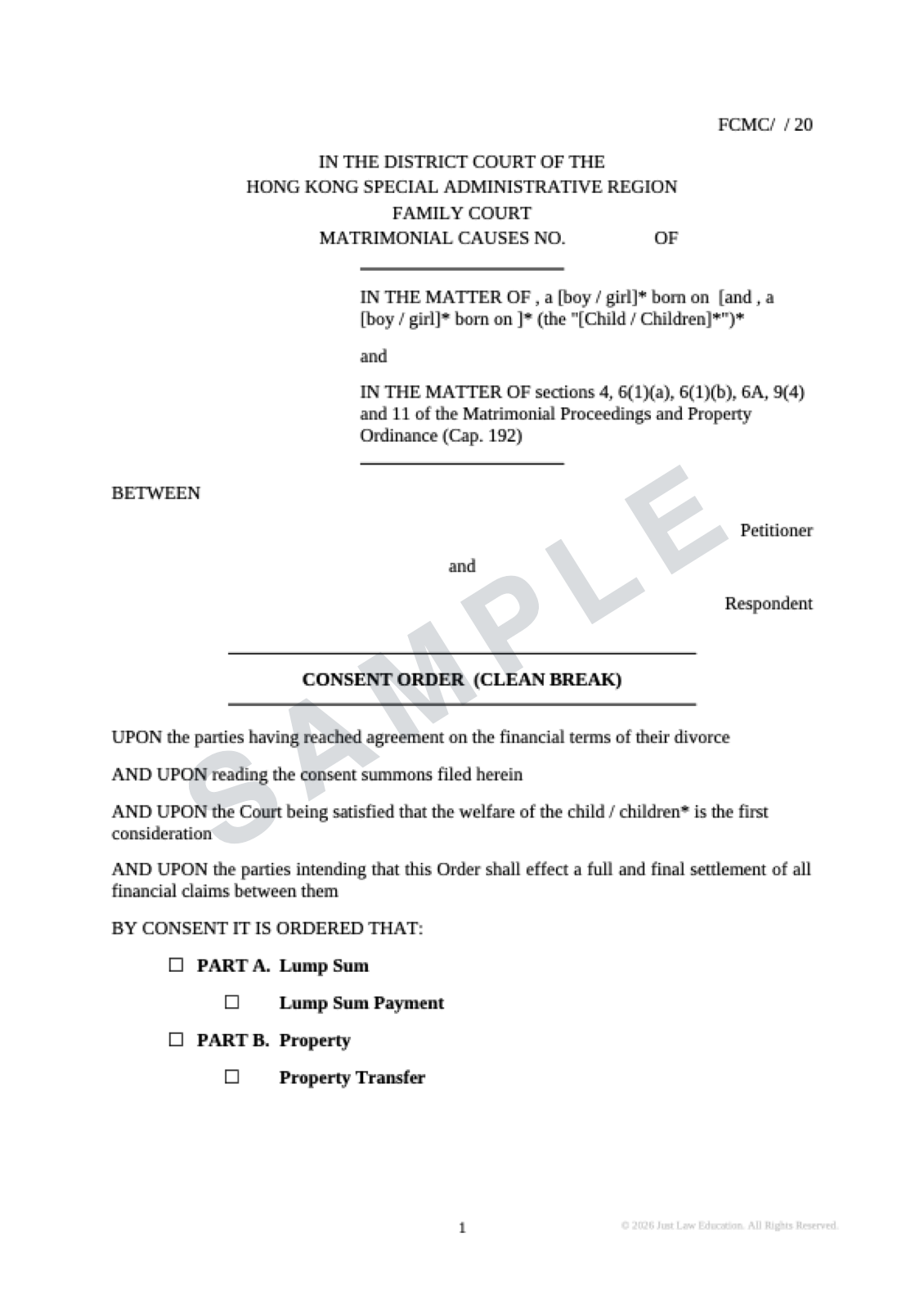
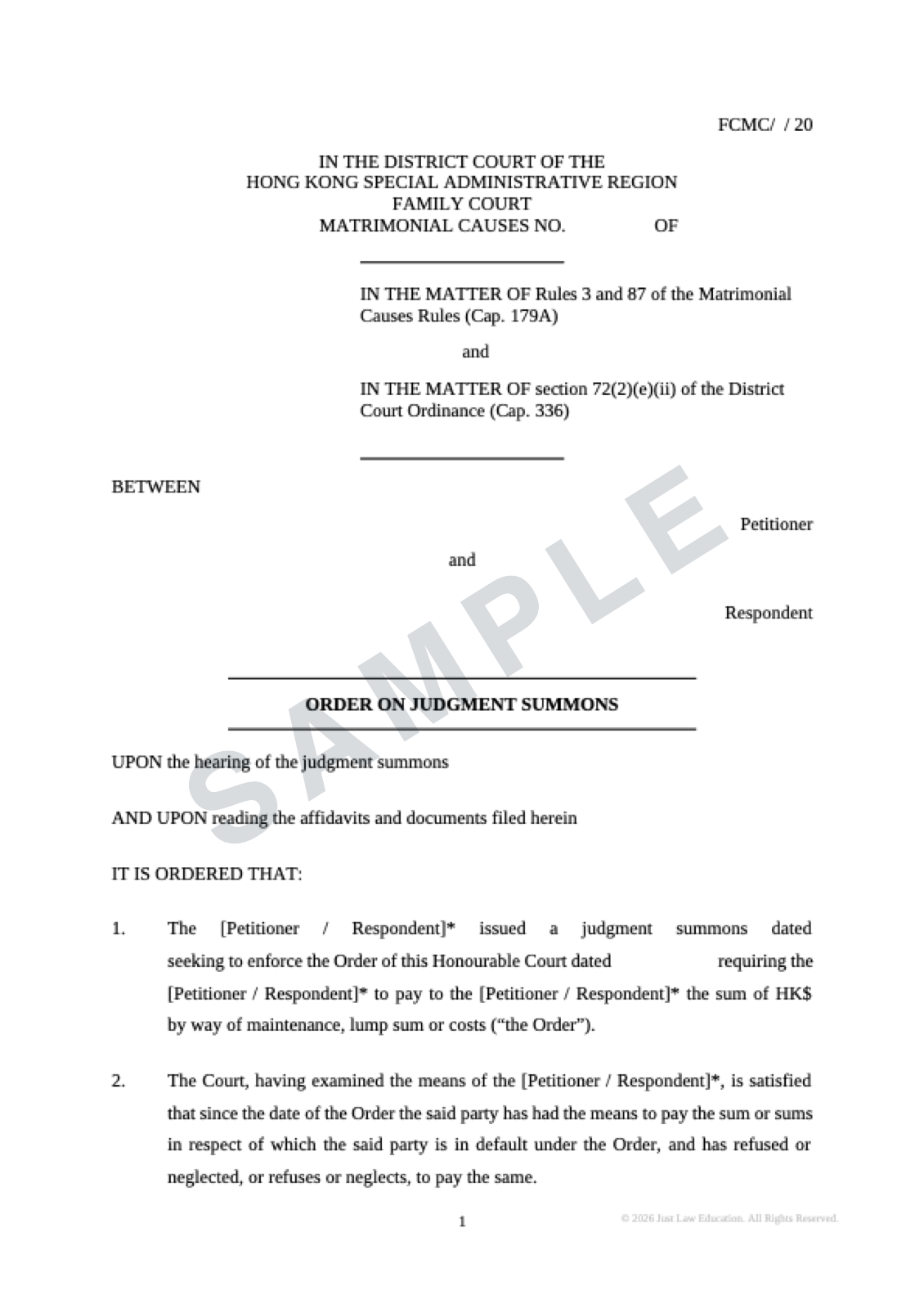
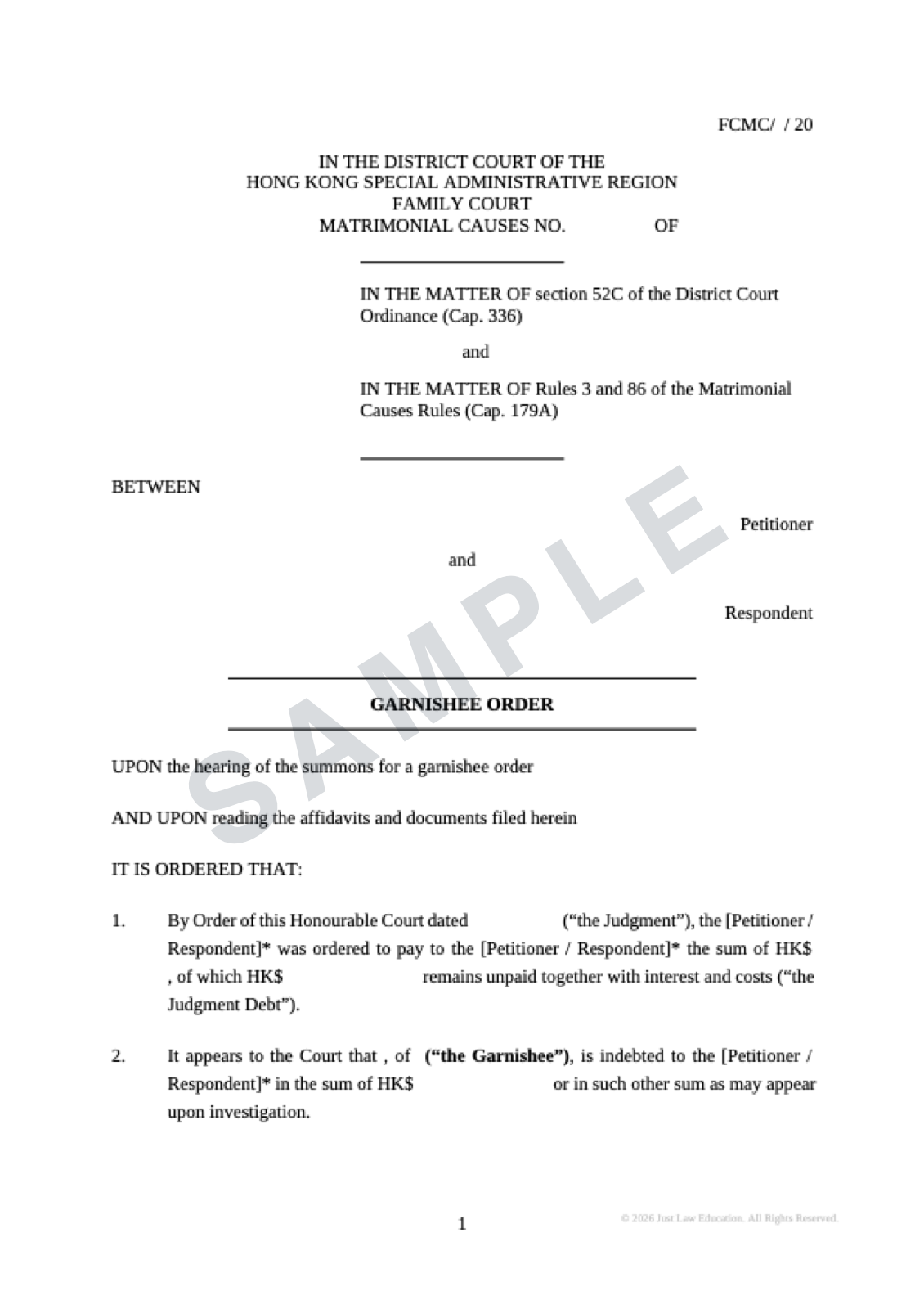
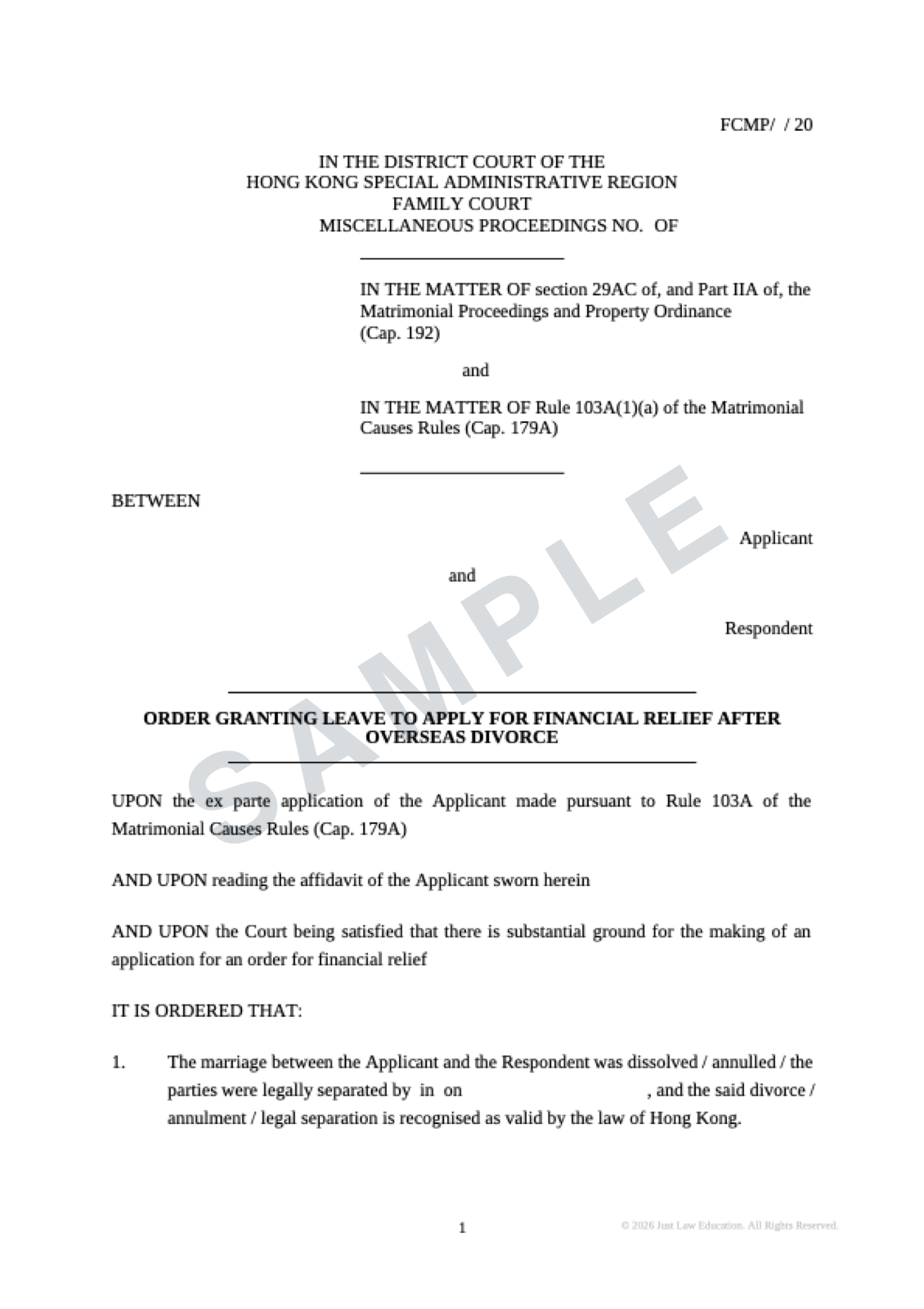
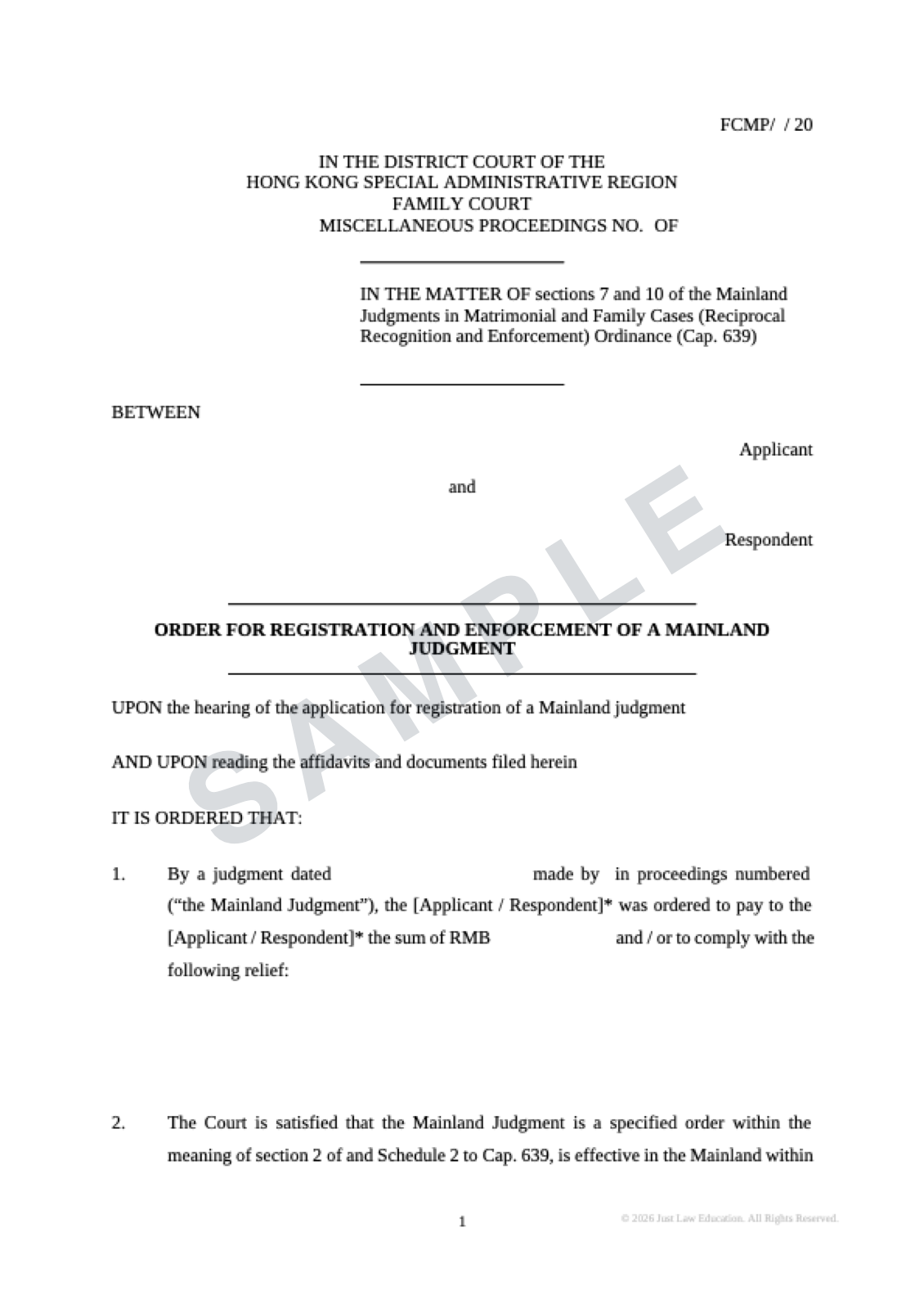
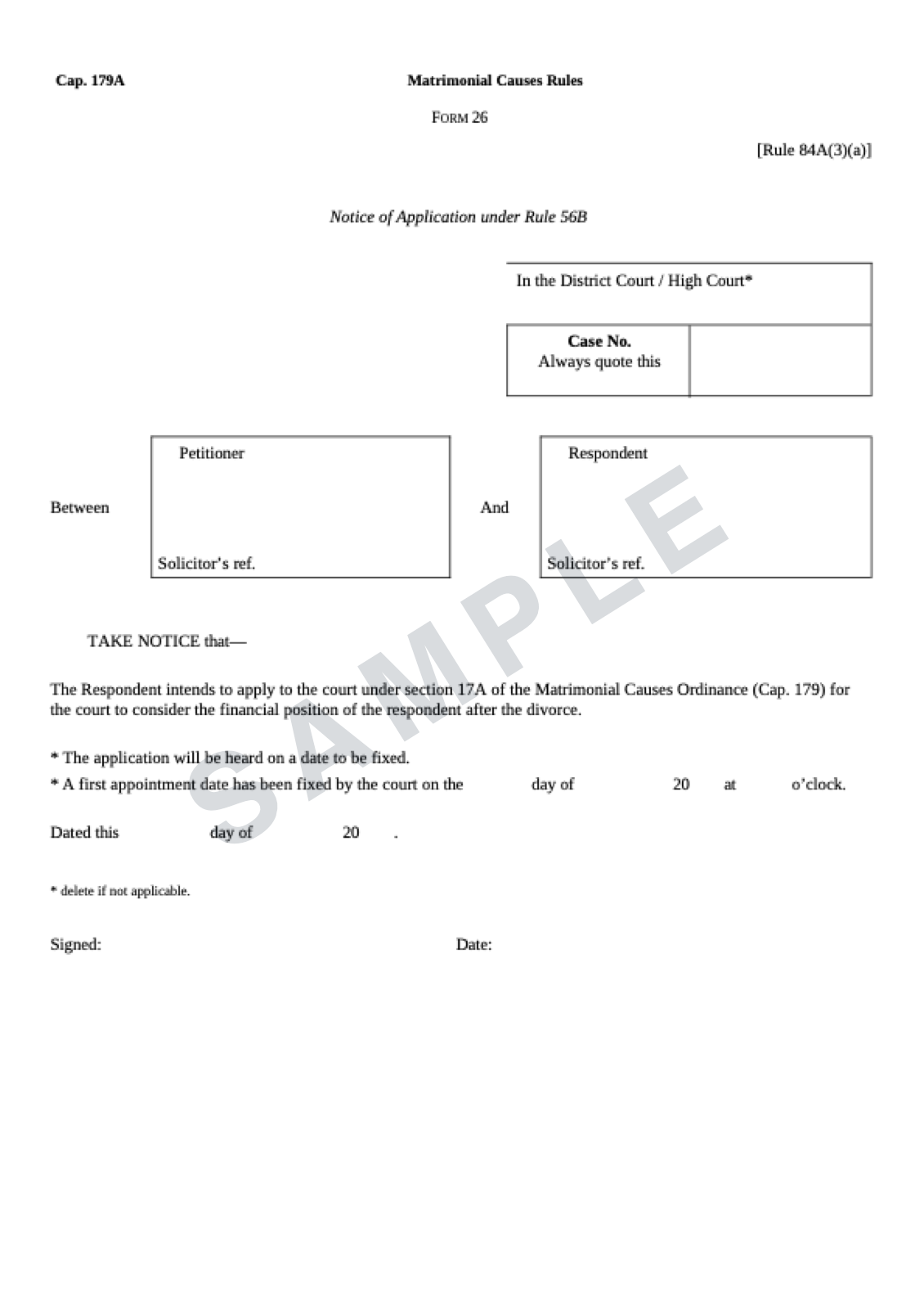
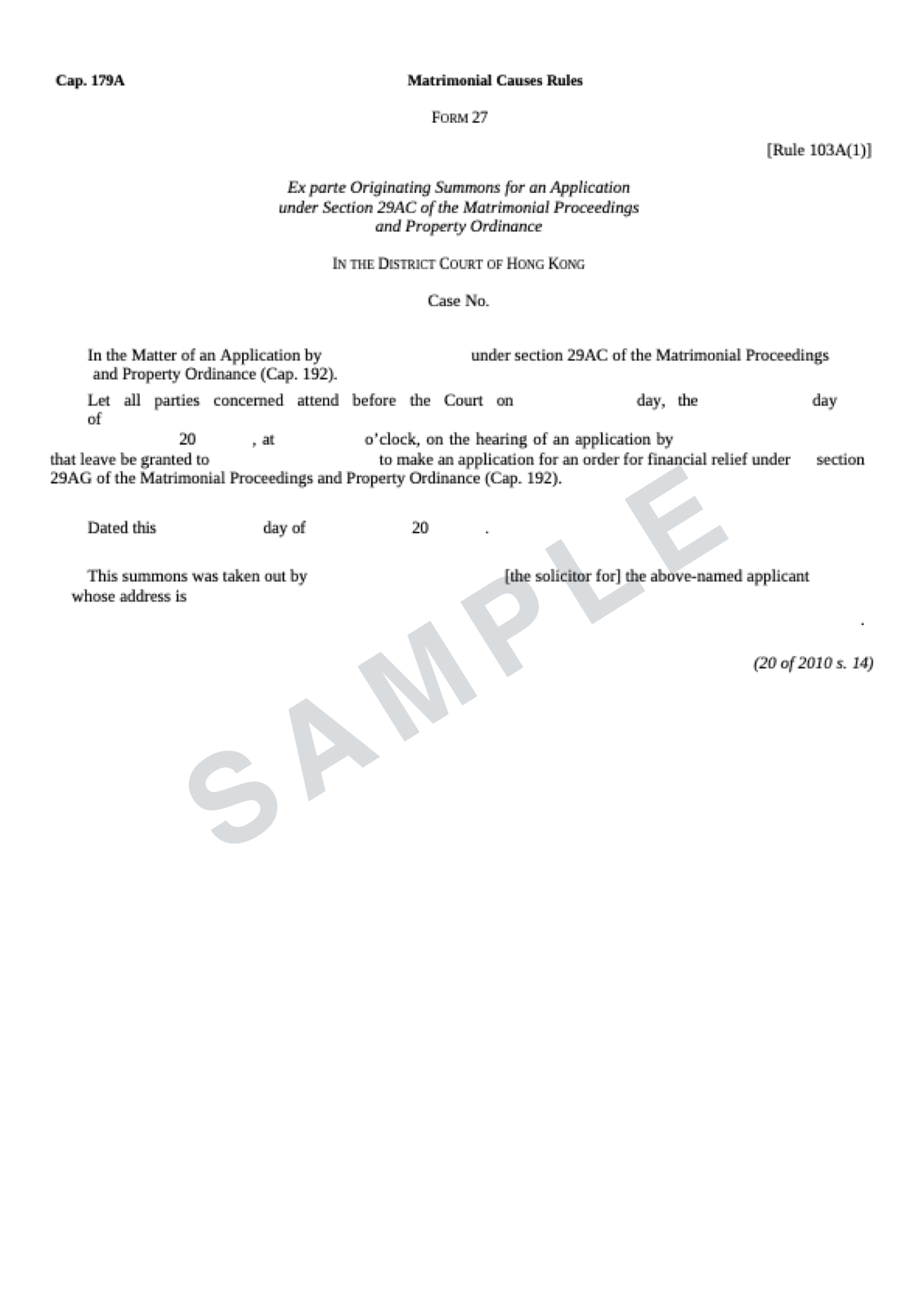
Sample Forms in English
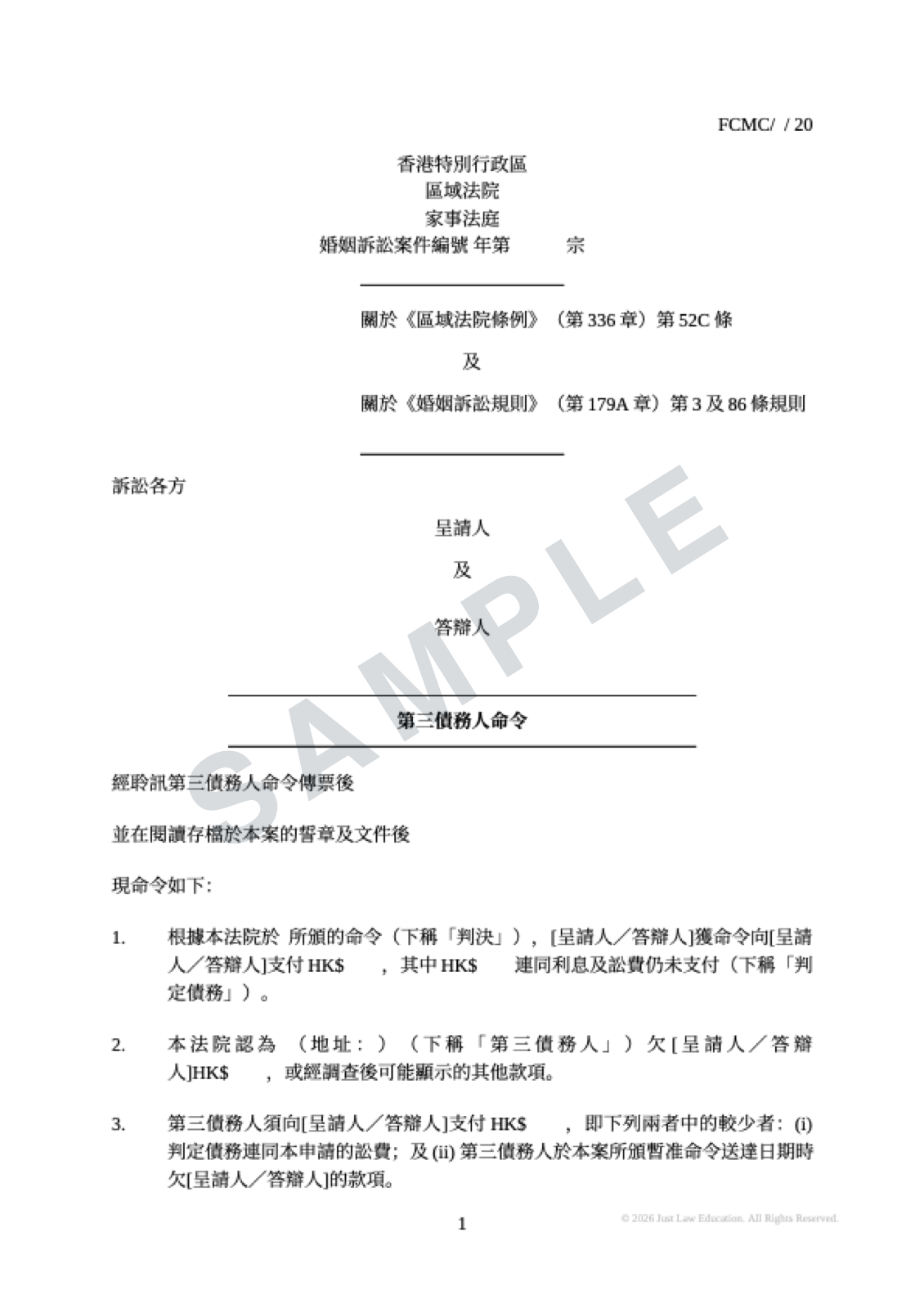
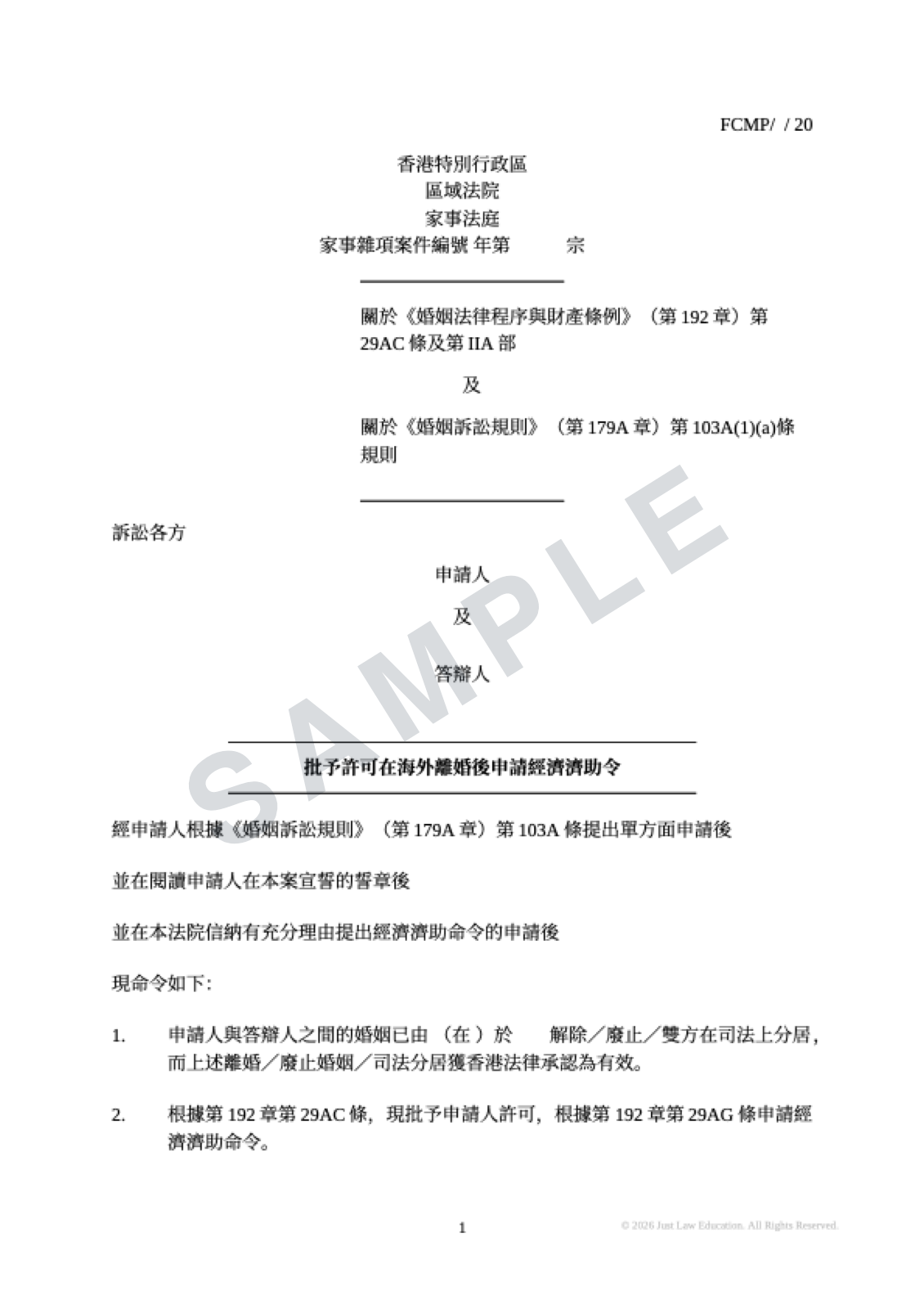
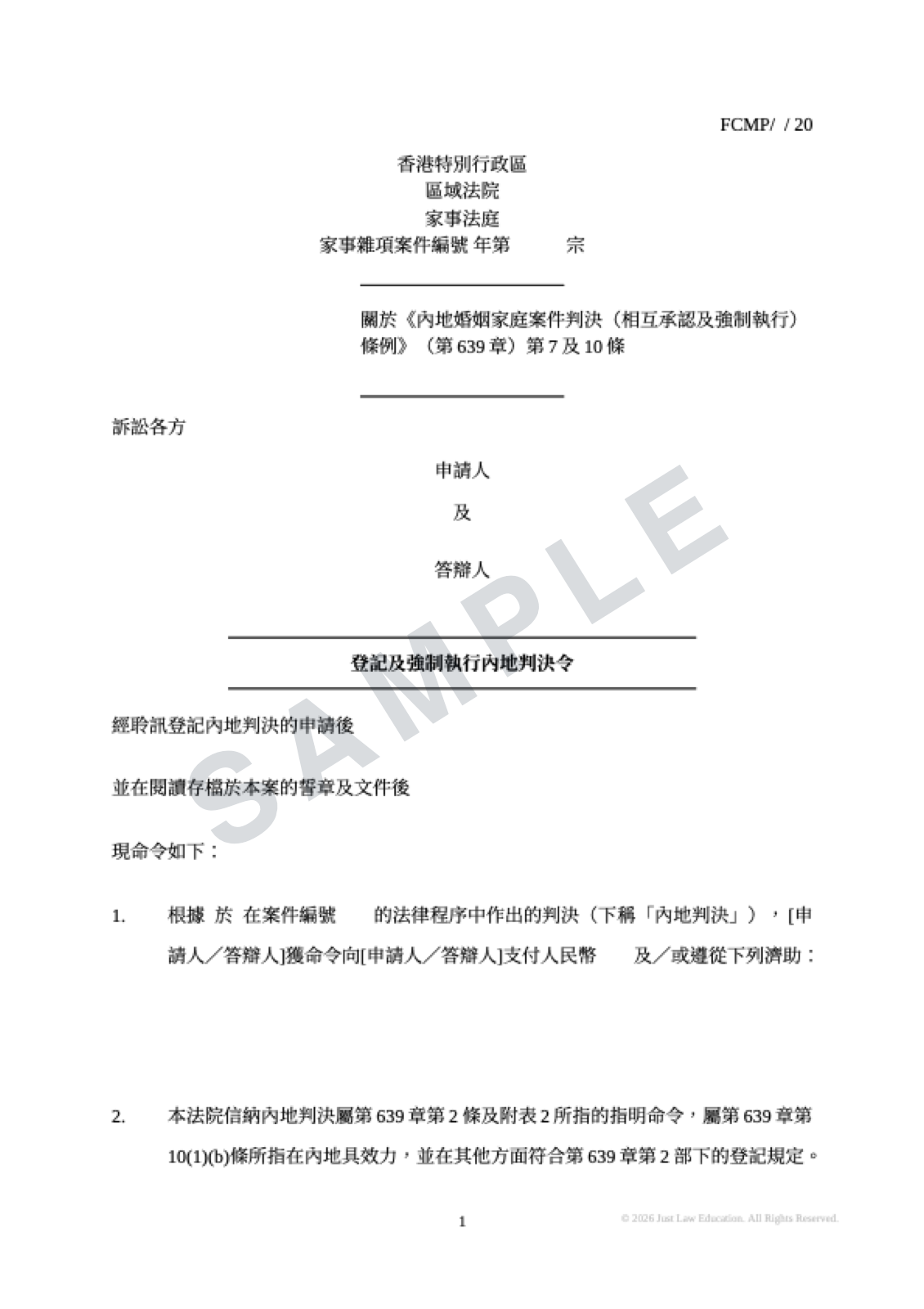
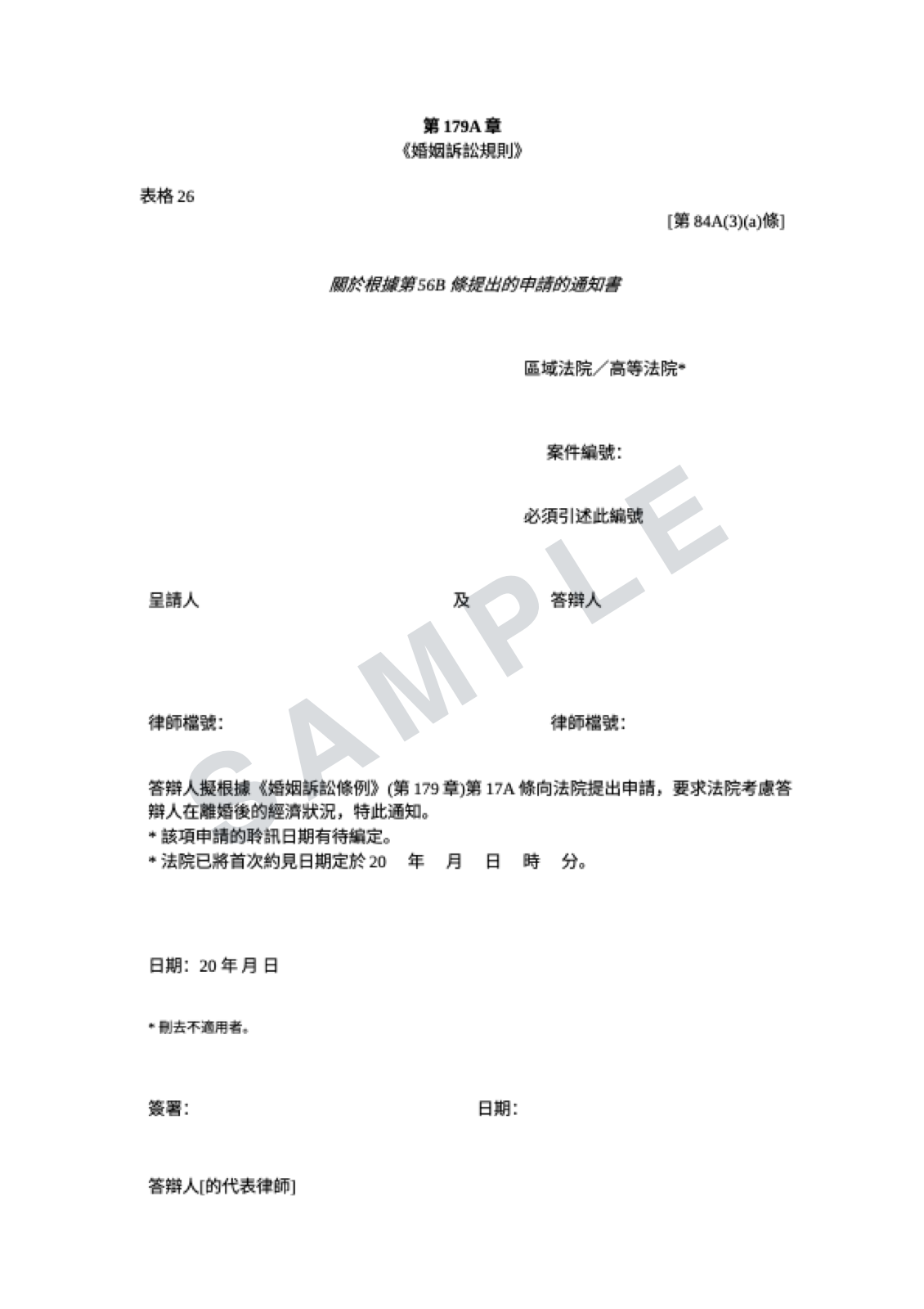
A sneak peek at documents produced by 翰途 Briefcase. Click any form to view a sample page.
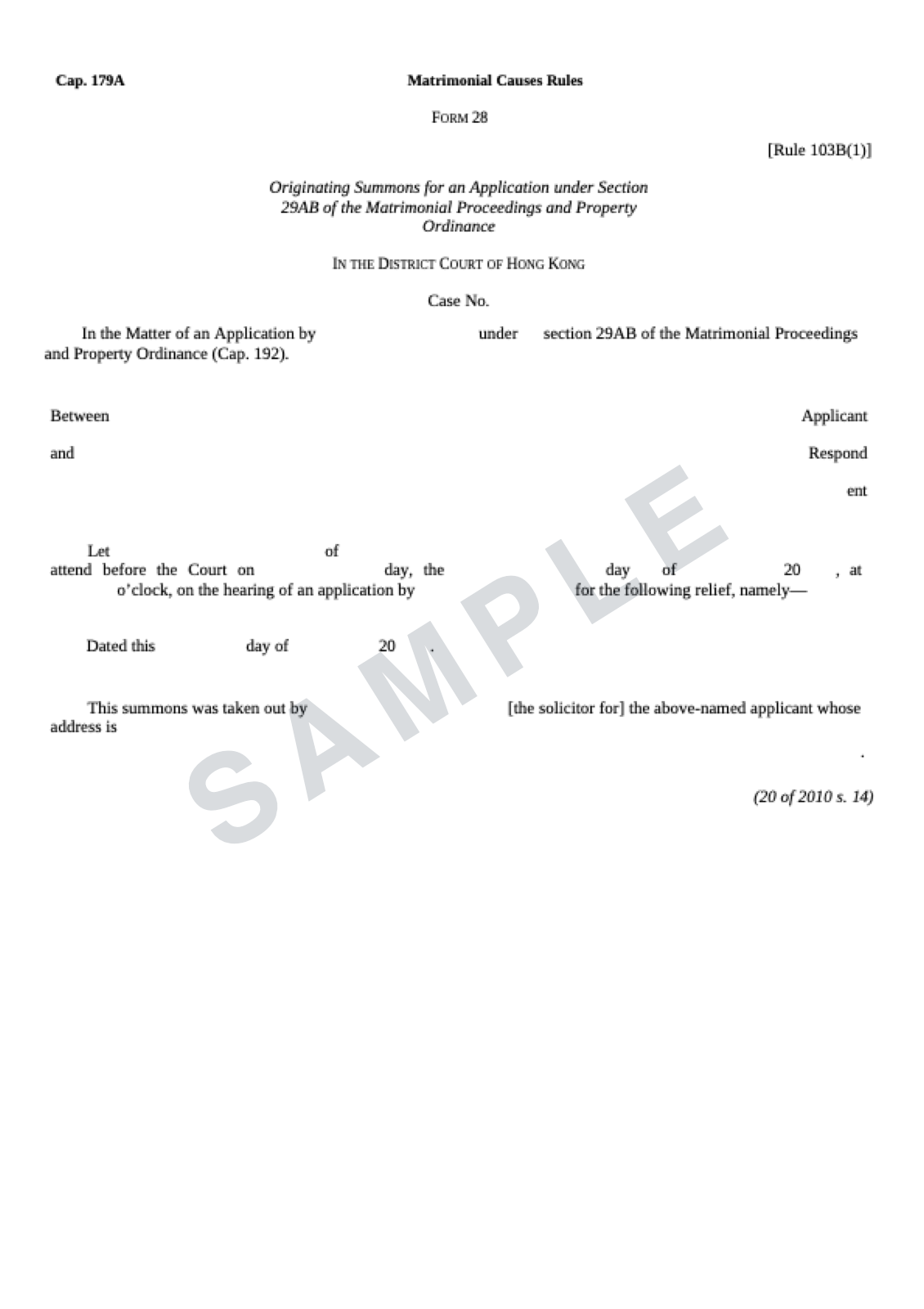
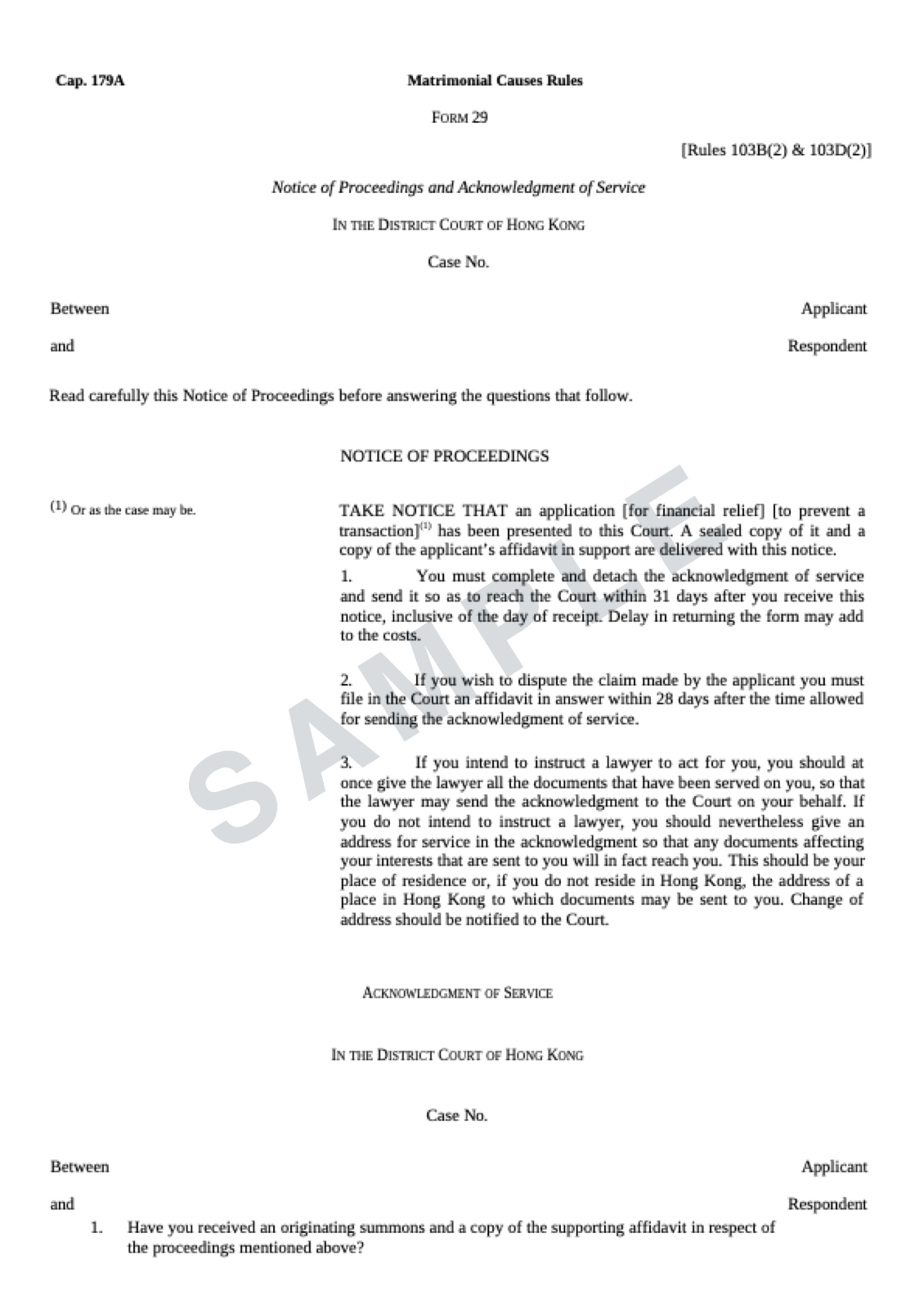
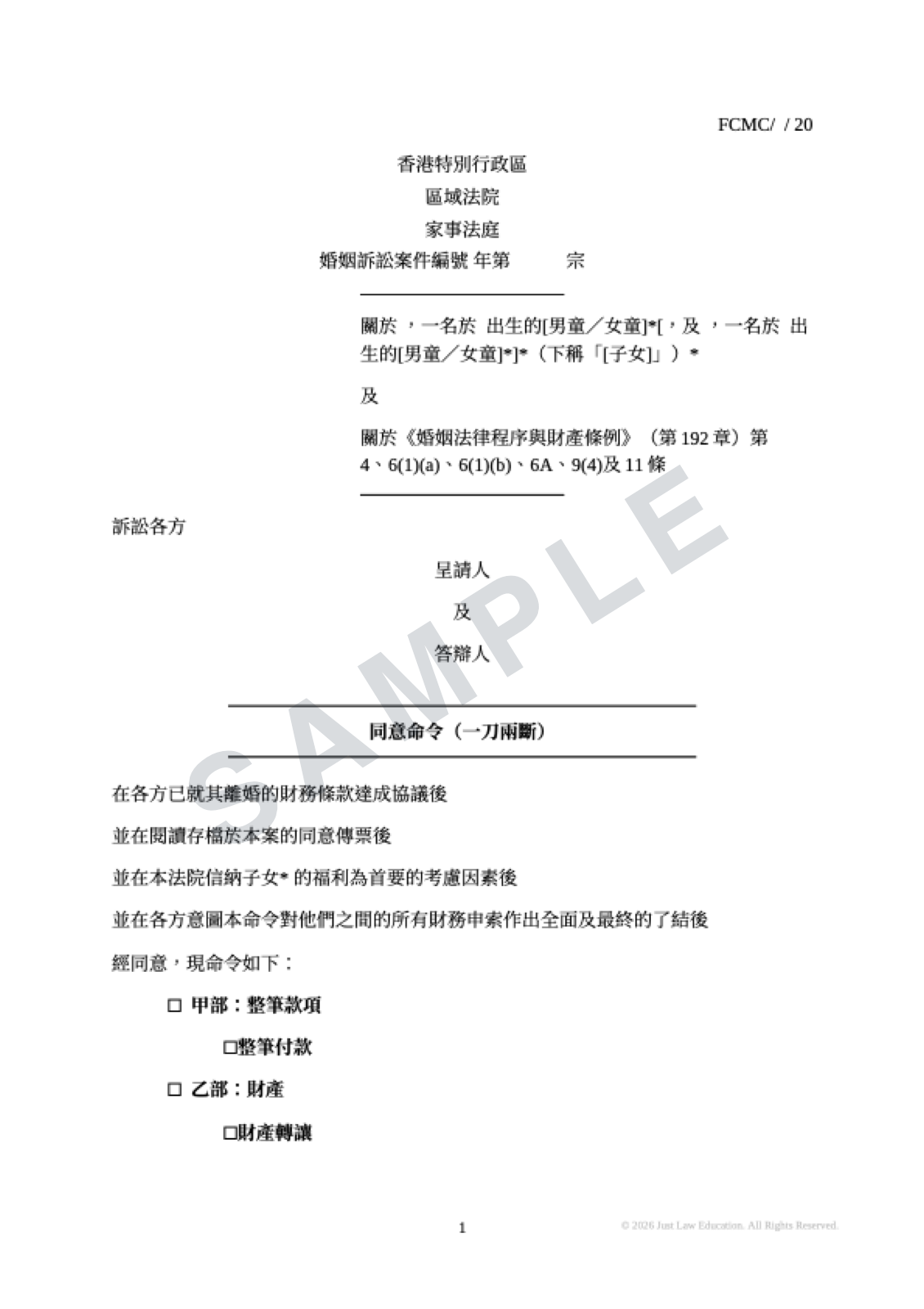
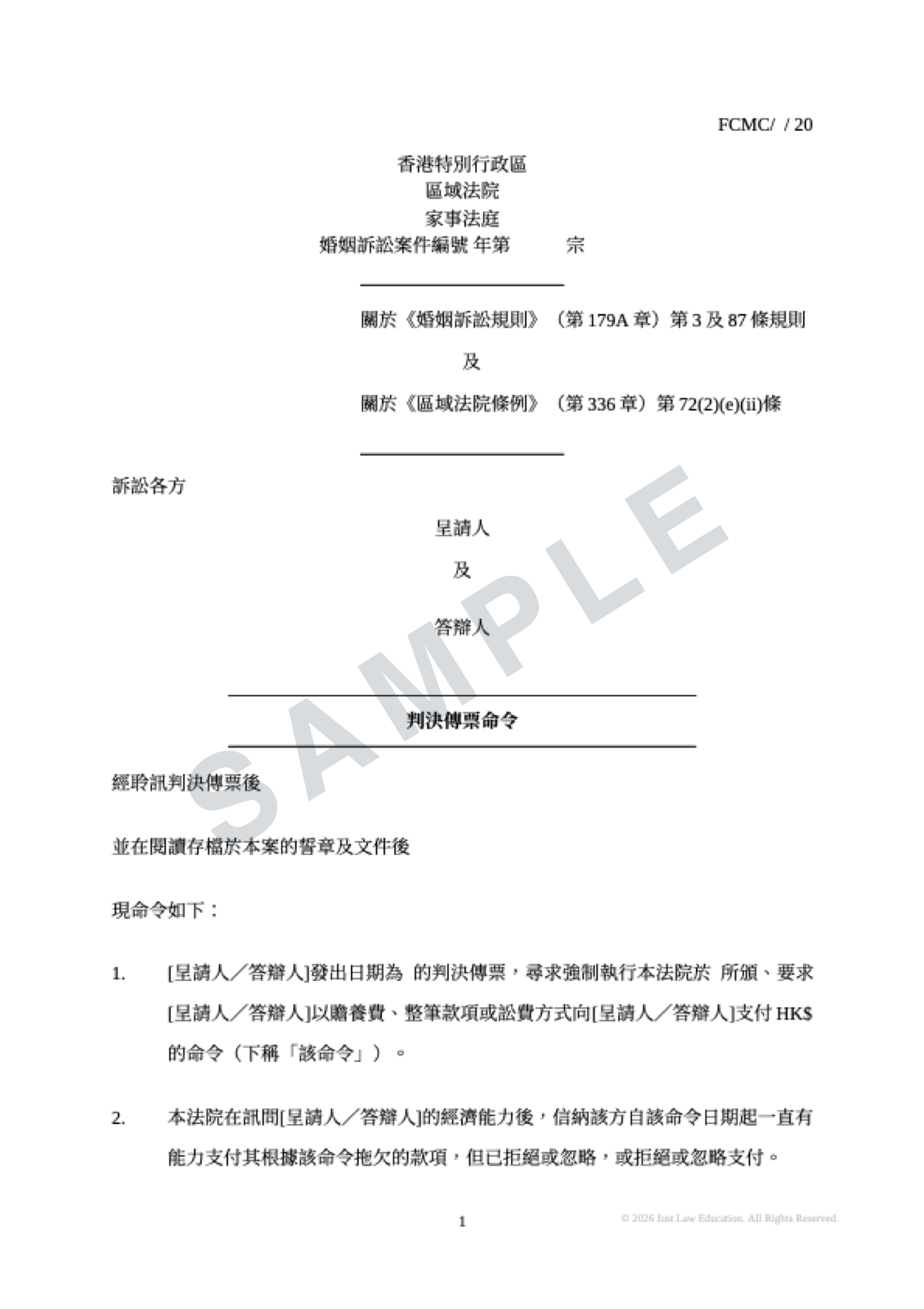
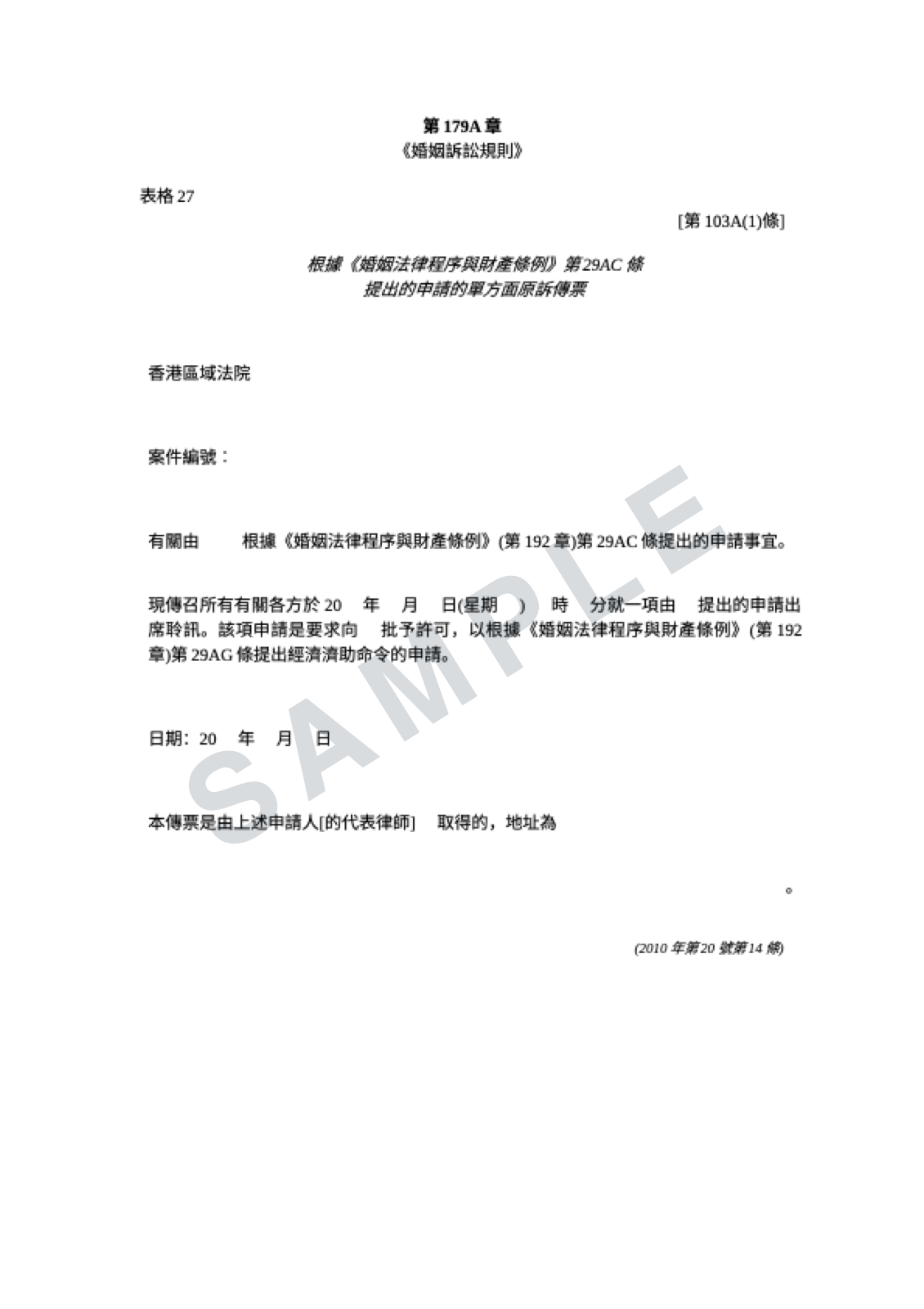
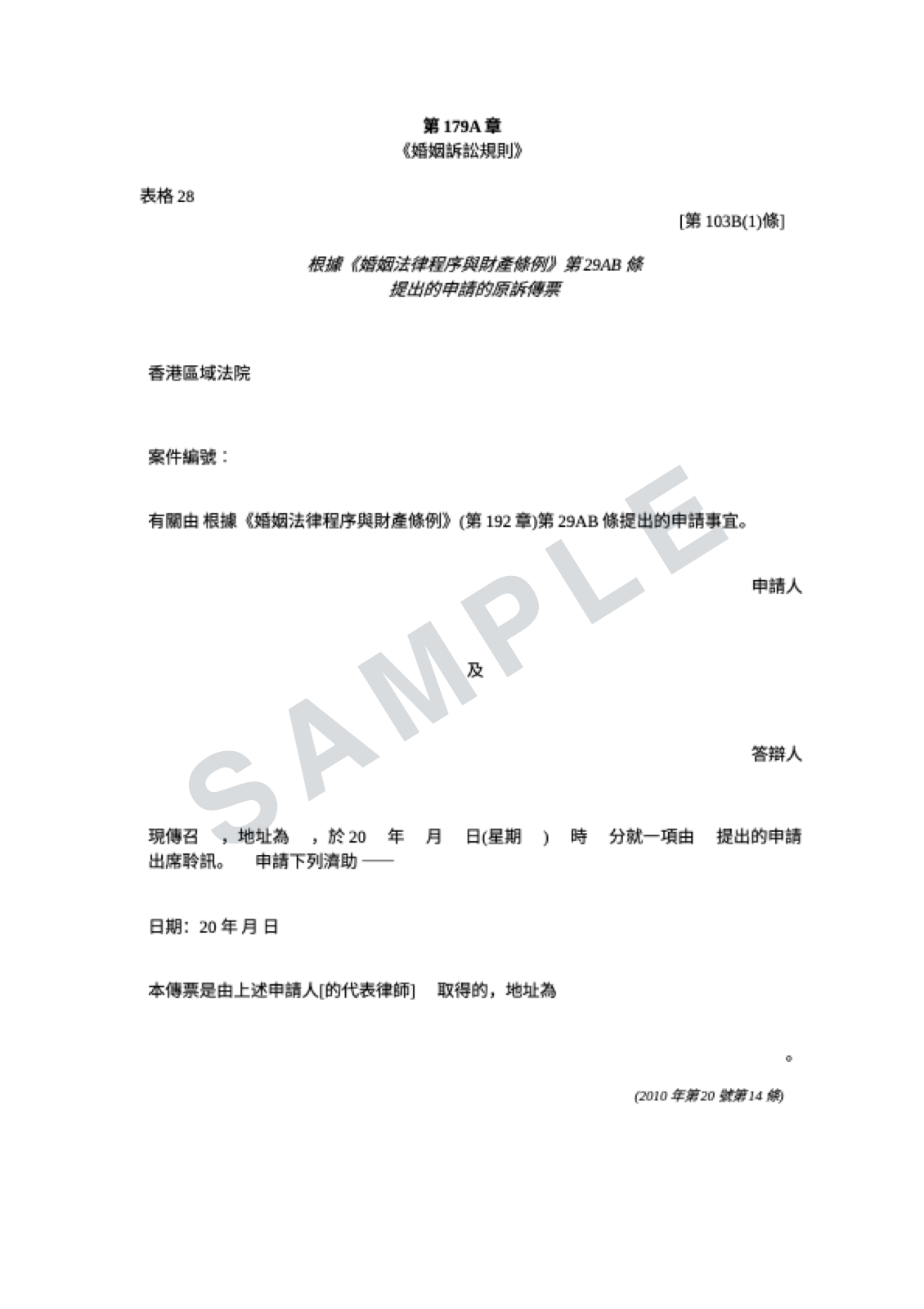
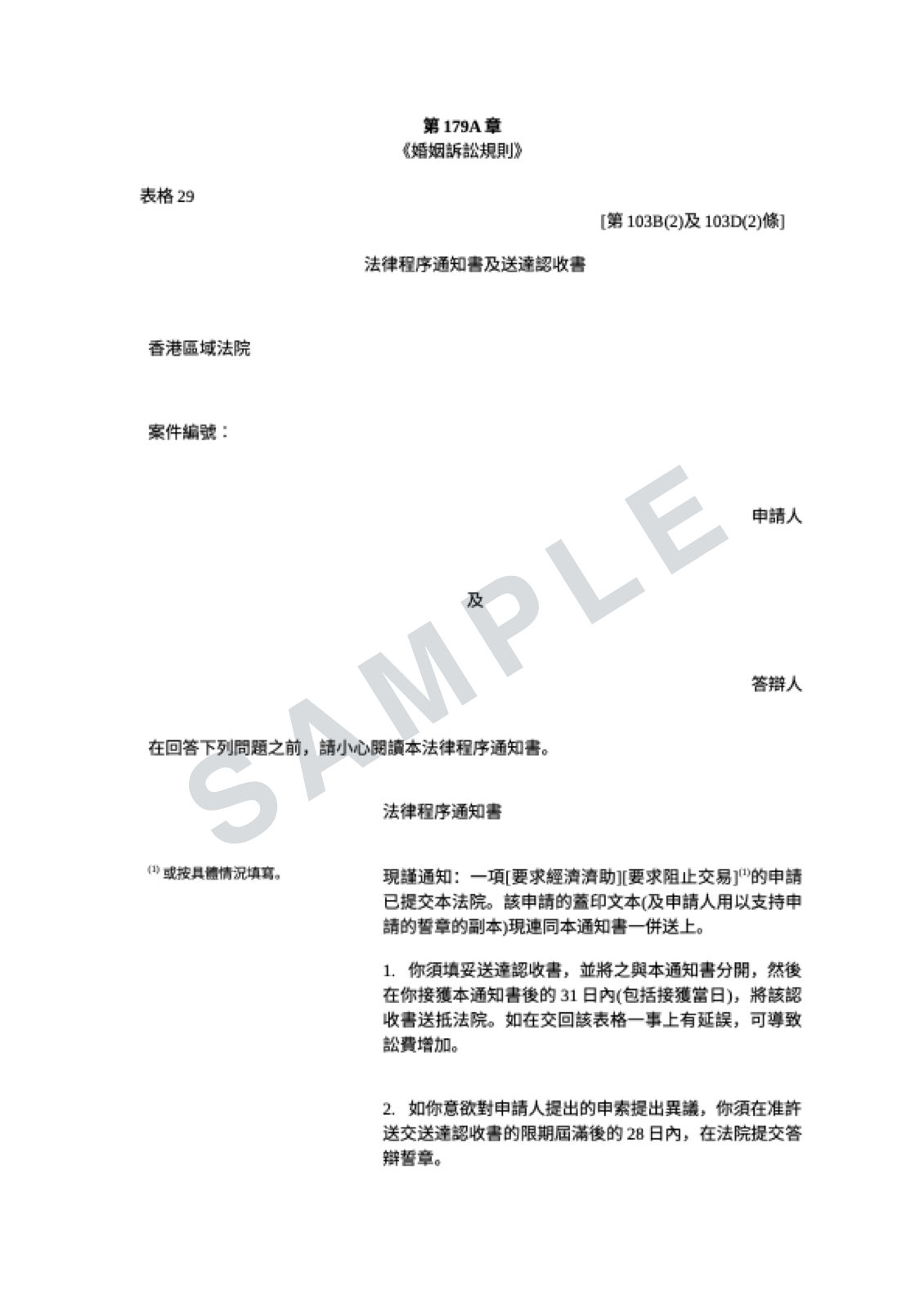
Frequently Asked Questions
What is 翰途 Briefcase?
翰途 Briefcase is a web based document preparation platform for Hong Kong family law practitioners. It brings together 300 prescribed court forms, summonses and draft order precedents in English and Traditional Chinese, completed through guided questions and produced as court ready Word documents. You can see it at briefcase.hk.
Who is 翰途 Briefcase for?
翰途 Briefcase is currently built for legal family law practitioners. In 2027 it will also be available for the public.
Does 翰途 Briefcase give legal advice?
No. 翰途 Briefcase prepares documents from the answers that the user provides, but it does not give legal advice.
Which languages does 翰途 Briefcase support?
翰途 Briefcase produces documents in both English and Traditional Chinese.
Where can I get Hong Kong family court forms in English and Chinese?
The official Family Court forms are published by the Hong Kong Judiciary and are available in English and Chinese. For family law practitioners, 翰途 Briefcase brings together 300 prescribed court forms, summonses and draft order precedents in English and Traditional Chinese, completed through guided questions and produced as court-ready Word documents. Briefcase is currently for legal practitioners and will be available to the public in 2027.
How can I try 翰途 Briefcase or request a demo?
You can visit briefcase.hk and try it for one week at no cost, or email enquiries@briefcase.hk to request a demonstration.